

Tax Planning
Home » Wealth Management Services » Tax Planning
Tax-Efficient Wealth Building Strategies
There are tax implications to nearly every financial decision we make. But that doesn’t mean you should let taxes steer you off course. The Darrow Private Wealth Management Program offers a complete solution to the investment management and financial planning needs of individuals and families, including helping clients understand and plan for potential tax ramifications.
Common tax planning situations include:
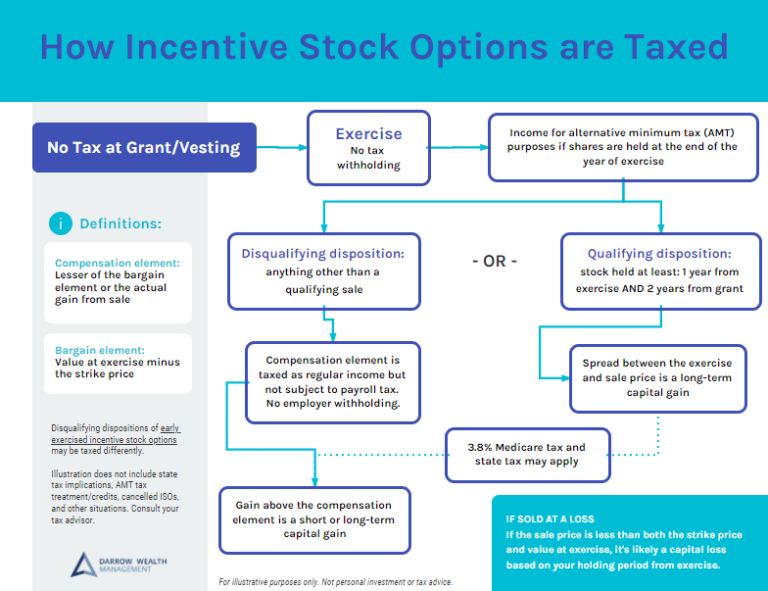
- Tax planning for stock options and equity compensation
- How changes to tax law impacts your investment strategy, cash flow, estate plan, or financial plan
- Retirement plans for business owners
- Account selection
- Charitable giving
- Ways to reduce taxable income
- Tax-efficient investing and asset location
- Roth IRA conversion analysis
- Sale of a business
- Withdrawal strategies in retirement
- Tax planning for required minimum distributions (RMDs)
Wealth Advisor in Massachusetts with Clients Across the U.S.
Darrow Wealth Management is a financial advisor in the Boston area. As a SEC-registered investment advisor, we offer comprehensive wealth management and investment management for clients locally in Boston and Needham, MA and across the country.
Fee-Only Financial Advisor
As a fee-only financial advisor, we do not sell securities, investment products, or receive commissions or compensation from third parties.
Fiduciary Investment Advisor
A fiduciary duty means we are legally bound to act at all times for the sole benefit and interest of our clients. This is the highest act of loyalty, trust and care under the law.
Independent Wealth Management
We are also completely independent, so you don’t have to worry about fund family allegiances or other corporate actions that could distance us from our clients.
Tax Planning Related Articles

How Stock Options Are Taxed: ISO vs NSO
Tax Implications Of Exercising And Selling Stock Options Key Summary: There are two types of stock options: incentive stock options (ISOs) and non-qualified stock options

Why Non-Deductible IRA Contributions Aren’t Worth It
Investors often ask: should I be making nondeductible IRA contributions? In the majority of cases the answer is no. Why non-deductible? Because many taxpayers earn

ISO Taxes: How AMT and AMT Credits Work + Avoiding AMT on ISO Exercises
If you have incentive stock options, you’ve probably heard of the alternative minimum tax (AMT). Essentially, the alternative minimum tax is a prepayment of taxes.